
In-Home ABA Therapy: Mistakes Parents Can Avoid
In-home ABA therapy turns routines into learning opportunities when parents avoid common missteps. Explore the changes that help children build stronger skills.

In-Home ABA Therapy: Mistakes Parents Can Avoid
Key Points:
- In-home ABA therapy helps children build real-life skills, but common parent mistakes like overprompting, inconsistent reinforcement, skipping practice, or turning home into a clinic can limit progress.
- Avoiding these missteps makes therapy more sustainable and effective, turning daily routines into lasting developmental gains.
- This therapy differs from clinic-based programs by using real environments and routines to teach skills.
A home ABA program can feel like a second job on top of everything else you already do. You might worry that you are doing it wrong when your child melts down, resists tasks, or seems to forget yesterday’s wins.
An in-home ABA therapy can be powerful because it happens in the rooms where real life unfolds, but only if the approach fits your family and not the other way around. In the United States, autism now affects about 1 in 31 children, which means more families than ever are trying to make ABA therapy at home work around school, siblings, and work schedules.
The good news is that many struggles come from a handful of predictable mistakes. Once you see them, you can adjust how you use the therapy so it feels more natural, more sustainable, and more helpful for your child.
What Makes In-Home ABA Therapy Different?
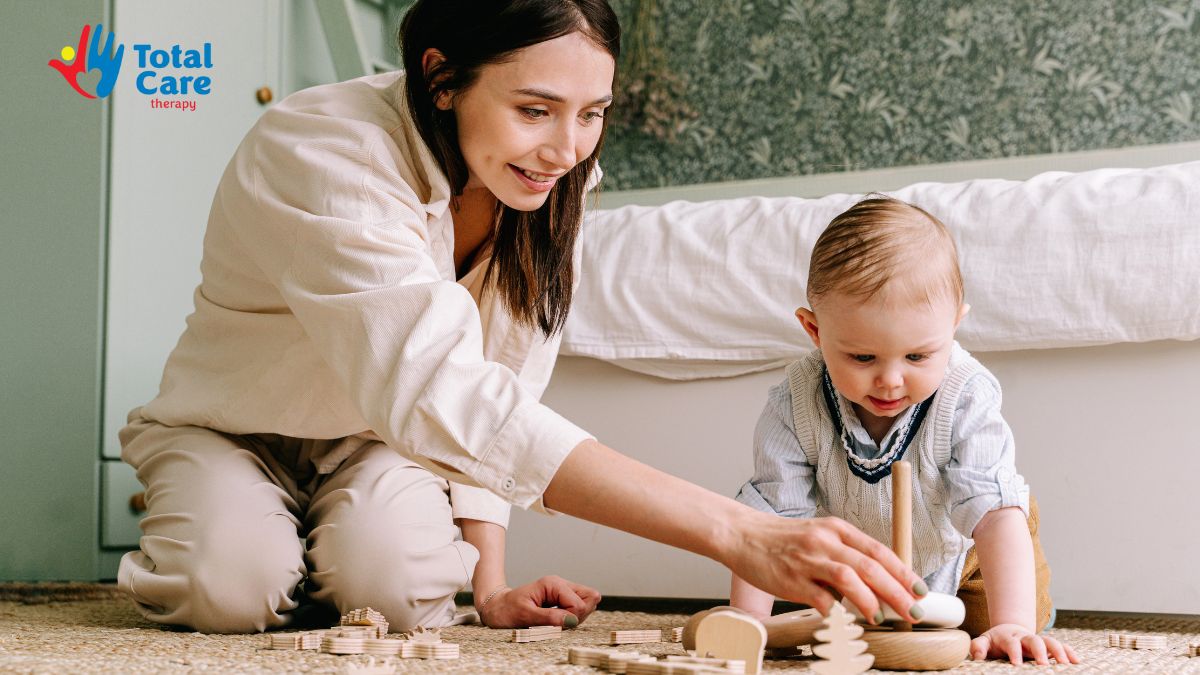
This therapy brings behavior strategies into real daily routines instead of keeping them in a clinic room. Sessions might happen at the kitchen table, during bath time, or while getting ready for school.
Research on autism interventions shows that more intensive support often helps children reach more goals. Many comprehensive ABA programs provide roughly 20 to 40 hours of therapy per week, often across home and other settings. When families understand what happens during those hours, they can protect the most important parts, even on busy days.
At-home ABA therapy stands out because parents can watch every step and ask questions in real time. Helpful ways to look at it include:
- Learning in real life: Skills are taught where they will be used, like asking for help in the actual bathroom or kitchen, using simple ABA techniques for home use during familiar routines.
- Built-in generalization: The same goal appears in different rooms, with different people and materials.
- Family skill-building: Parents learn strategies they can use even when the therapist is not there.
Understanding these strengths makes it easier to see where common ABA parent mistakes show up and how to avoid them.
Are You Turning Your Home Into A Clinic?
One of the most common ABA parent mistakes happens when the home starts to feel like an extension of a therapy center. You might hear yourself using a formal tone, pushing through tasks when everyone is tired, or feeling guilty if you “break” the routine for a birthday party or family outing.
When a home ABA program feels too clinical, children may:
- Shut down faster because every activity feels like work instead of play.
- Resist sessions when the therapist arrives, since they expect demands the entire time.
- Avoid family time if they associate you with constant instructions and corrections.
You can keep the therapy effective without losing the warmth of home by:
- Protecting relationship first: Share laughs, cuddles, and interests outside of structured tasks so your child experiences you as a parent before a coach.
- Using natural moments: Turn routines you already do into practice, like letting your child request “water” before handing over the cup.
- Being flexible with setup: You do not need a perfect therapy corner; a simple box for materials that comes out only during sessions can be enough.
In-home ABA therapy works best when the house still feels like your family’s space. If “therapy mode” seems to take over, that is a signal to simplify rather than to push harder.
How Does Overprompting In ABA Hold Children Back?
Overprompting in ABA occurs when adults provide more help than a child needs or continue helping long after the child could do a step alone. At first, it feels kind and efficient. Over time, it can create quite a dependence, where your child waits for you to tell them every move.
Signs that overprompting is getting in the way include:
- Answers come only after your cue: Your child waits for a verbal or physical hint before responding.
- Skills vanish without you: Grandparents or teachers say the child “does not know” a skill you see every day at home.
- Frustration during fading: Any attempt to reduce help leads to big emotions or refusal.
Ways to reduce overprompting in ABA while keeping support gentle:
- Start with a plan to fade: Agree with your BCBA on which prompts will phase out first and how you will do it step by step, following practical ABA tips for families on staying consistent.
- Count to three in your head: Give your child a little extra time before you jump in with a hint or answer.
- Reinforce effort, not just perfection: Praise trying independently, even if the response is not yet perfect.
Why Is Inconsistent Reinforcement At Home So Confusing?
Reinforcement is the engine of ABA therapy at home. If one parent rewards a behavior and another ignores it or reacts with anger, the child receives mixed messages that slow learning and increase stress.
Common patterns of inconsistent reinforcement at home include:
- Only rewarding on “good days”: Praise and rewards appear when you have extra energy, but vanish when you are tired.
- Different rules with different adults: Grandparents laugh at a behavior that parents are trying to reduce.
- Accidental rewards for challenging behavior: Extra screen time or snacks appear during a meltdown just to keep the peace.
Research on autism interventions shows that consistent, structured reinforcement helps children keep new skills over time, especially when used across settings.
You can make reinforcement steadier by:
- Choosing simple rewards: High fives, short play breaks, or a favorite song are easier to repeat than complicated sticker systems.
- Agreeing on a few rules: Decide together which behaviors always get a reward and which do not, then write those choices on the fridge.
- Watching for hidden rewards: Notice what your child gains after a behavior, even by accident, and change that pattern if it works against your goal.
When reinforcement lines up across family members, in-home ABA therapy feels more predictable for your child and more manageable for you to maintain.
What Happens When You Keep Skipping ABA Home Practice?
Skipping ABA home practice is completely understandable on a rough day. The problem appears when “we will do it tomorrow” becomes the norm rather than the exception. Over weeks and months, those skipped minutes quietly reduce the total support your child receives.
Studies of autism interventions show that many comprehensive ABA programs run at about 22 hours per week, often over several years, and that more intensive programs within reasonable limits tend to produce more substantial gains.
Instead of aiming for perfect practice, try:
- Mini-practice blocks: Use five-minute chunks connected to routines, such as one request practice before breakfast and one after school.
- Weekend catch-up: Choose one weekend activity, like baking or a walk, and plan a few ABA targets into it.
- “Good enough” weeks: Some weeks will not meet the ideal schedule, and that is okay. Focus on restarting, not on guilt.
In-home ABA therapy does not require a flawless schedule. It needs consistent, sustained practice over time so your child’s brain has a chance to build and maintain new habits.

Are You Leaving Generalization Of ABA Skills At Home To Chance?
Research on social skills training for autistic children shows that planning for generalization across settings increases the likelihood that children will use these skills in everyday life. When all practice happens at the same table, progress can stay trapped there.
Ways to support generalization of ABA skills at home include:
- Change locations: Practice the same skill in the bedroom, kitchen, and backyard.
- Change people: Let siblings, grandparents, or another caregiver give the same simple instruction or prompt.
- Change materials: If you practiced “brush teeth” with a visual schedule, try using a timer or a song next time.
ABA therapy at home gives you many built-in opportunities for generalization of ABA therapy skills at home. The goal is not a perfect plan but a habit of asking, “Where else will this skill show up in real life, and how can we practice it there?”
Is ABA Parent Training Staying In The Binder?
When training sessions feel rushed or purely theoretical, strategies may stay in a notebook rather than reach your child. Recent work reviewing parent involvement in autism interventions found that caregiver participation is linked to better outcomes for children and more effective use of strategies over time.
Other research on ABA family training highlights how learning stress management and self-care helps caregivers stay consistent and reduces burnout.
You can get more from ABA parent training by:
- Treating it as your session: Ask for real-life examples that match your child and your house, not generic scenarios.
- Practicing during the visit: Try the skill with coaching while the therapist is there so you can correct mistakes immediately.
- Requesting simple handouts or videos: Short, clear reminders make it easier to remember strategies when a meltdown starts.
The therapy works best when parents feel prepared, not judged. Training that fits your learning style makes the program run more smoothly.
How To Make In-Home ABA Therapy Feel More Sustainable
Common ABA parent mistakes often come from good intentions combined with exhaustion. You want change for your child, professionals recommend many hours, and real life has only so much space.
You can protect your energy while supporting in-home ABA therapy by:
- Choosing two or three “anchor” goals: Work with your BCBA to identify the skills that will change daily life the most, such as communication requests or basic self-care.
- Creating simple family rules: Agree on short phrases like “First work, then play” or “Hands are for safe touch” so everyone responds the same way.
- Scheduling check-ins: Use data and everyday stories to see what is working, what feels heavy, and where to adjust demands.
When families keep the focus on a few meaningful targets and realistic routines, sessions become more sustainable and more likely to fit long-term. That mindset also reduces the pressure to make every interaction a perfect ABA moment.
Frequently Asked Questions
How many hours of in-home ABA therapy does a child usually need?
Children receiving in-home ABA therapy often need 20 to 40 hours per week for intensive programs, especially in early childhood. Some may benefit from fewer hours when targeting focused goals. A BCBA should tailor the plan to fit the child’s needs, attention span, and family routines for best results.
What should parents do during in-home ABA sessions?
Parents should observe, ask questions, and practice small steps during in-home ABA sessions. Joining briefly at the start or end allows coaching without pressure. Over time, involvement helps the child respond to both the therapist and parent, reinforcing skills across settings.
How can I tell if our in-home ABA therapy is actually working?
You can tell in-home ABA therapy is working when data shows goal progress and daily life feels easier, like fewer meltdowns or smoother routines. Therapists should share clear updates, and your own observations at home help confirm that skills are improving beyond sessions.
Start Turning Home Practice Into Real Progress
In-home ABA therapy does not have to feel like an endless checklist. When you avoid overprompting, keep reinforcement consistent, plan for generalization, and protect realistic home practice, you help your child build skills that transfer to real life.
Families seeking in-home ABA therapy services in New Mexico, Tennessee, Indiana, Georgia, Arizona, North Carolina, Maine, and Utah can find support that fits real homes, real schedules, and real children, rather than a one-size-fits-all routine.
At Total Care ABA, our team partners with parents so sessions blend into everyday life, from mealtimes to homework to play. If you are ready to rethink your current home ABA program or start fresh, reach out today to ask questions, review options, and find a plan that genuinely works for your family’s daily life.