


5 Practical Ways to Strengthen Community Inclusion Autism Families Can Start Today
Community inclusion autism grows through small goals, accessible activities, and steady routines. Start building calmer, more inclusive outings for your family.

5 Practical Ways to Strengthen Community Inclusion Autism Families Can Start Today
Key Points:
- To strengthen community inclusion for autism, families can start by setting personalized goals, choosing accessible local activities, and preparing both their child and the environment.
- All these must be done using therapy support in real-world settings, and turning participation into a routine.
- These steps help build comfort, communication, and connection without overwhelming the child or the family.
Many autistic children and adults spend more time at home than they would like, even when they receive in-home autism care and feel curious about the world outside. Parents may want to try parks, classes, or events, but worry about meltdowns, stares, or programs that say “inclusive” yet feel unprepared.
Community life is where friendships form, skills grow, and families build routines that feel fuller and more hopeful. You do not have to overhaul your whole schedule to move toward more community inclusion. The five steps below focus on realistic changes that families can start today and grow over time.

Why Community Inclusion Autism Shapes Everyday Wellbeing
Community spaces are where many skills take shape in real time. Autistic adults who participate more in community activities tend to report better quality of life and mental health than those who are more isolated.
At the same time, several studies show autistic adults experience higher loneliness than nonautistic adults, with a large overall difference in loneliness scores. Loneliness can raise anxiety and depression and make it harder to build or keep relationships. Community inclusion autism efforts help reduce that gap by turning “service hours” into real chances to belong.
Children face similar gaps. New research on children with autism found they join home, school, and community activities less often and are less involved than their peers with other disabilities. When families build more social participation into regular life, parenting strategies for autism give children more time to practice communication, flexibility, and problem-solving in the places that feel most important to them.
1. Set Inclusion Goals That Fit Your Child
Every autistic person has a different picture of what “being included” means. For one child, community inclusion might be sitting near other kids at the playground without joining the game. For another, it might be leading a club activity or chatting with the librarian.
A helpful starting point is a short list of what your child likes, where they already go, and what support they need to feel safe. You can think about:
- Favorite interests such as animals, trains, drawing, or games
- Places you already visit, like school, a store, a park, or a faith group
- Support needs around communication, sensory input, and transitions
From there, you can turn ideas into small, specific goals, for example:
- “Stay at library story time for 10–15 minutes, then leave using a simple goodbye routine.”
- “Say hello to one peer at art club each week, with a prompt if needed.”
- “Order one item at the same café using a card, device, or short script.”
You can share these goals with therapists, teachers, and support workers so ABA treatment plans and daily routines all support the same picture of community inclusion autism progress.
2. Choose Community Activities Autism Families Can Access Easily
The next step is finding community activities families can join without feeling like they are constantly pushing against tight rules or crowded spaces. Many towns and cities now offer options that are friendlier to autistic people, but they are not always well advertised.
Libraries, museums, and theaters across the United States have added sensory-friendly programs with smaller groups, lower sound, and quiet rooms so autistic visitors can stay more comfortably.
One recent study on autism-friendly museum design found that specific layout and sensory changes increased satisfaction for autistic children by about 23%. These kinds of changes make community outings less stressful and more enjoyable.
You might look for:
- Smaller, quieter options such as early-morning swim times, small clubs, or limited-capacity events
- Sensory-friendly or autism-friendly hours at museums, cinemas, play centers, or zoos
- Interest-based activities like coding groups, nature walks, robotics, dance, or animal care programs often look similar to ABA therapy activities your child already enjoys
Before signing up, a short email or phone call can give you a sense of fit. Helpful questions include:
- “Is there a quiet area we can use if my child needs a break?”
- “Is it okay if my child uses headphones or brings a comfort item?”
- “Can we visit briefly before the first session to see the space?”
These conversations help organizers prepare and show that social participation from autistic families is not unusual.
3. Prepare Your Child and the Setting for Each Outing
Sensory differences and sensory desensitization strategies have a big impact on how often autistic adults go out, how comfortable they feel, and how long they stay in public spaces. The same is true for many children. You can reduce sensory overload by thinking through sounds, lights, crowds, and transitions before you leave home.
A simple preparation routine might include:
- Previewing the visit using photos from the venue’s website, a short video, or a simple visual schedule
- Practicing key steps at home, such as waiting, raising a hand, or asking for help
- Packing a comfort kit with noise-reducing headphones, fidgets, snacks, and any calming tool from your favorite sensory play for autism ideas
It also helps to give organizers a short, friendly “cheat sheet” about your child. Clear, neutral phrases work well, such as:
- “My child may need extra time to respond; waiting quietly really helps.”
- “Hand flapping is a sign of excitement, not distress.”
- “If my child leaves the room suddenly, we will step outside and return if they are ready.”
When people understand what behaviors mean and how to support your child, community inclusion autism goals feel more realistic and less like a constant crisis plan.
4. Use Support Tools to Practice Skills in Real Community Settings
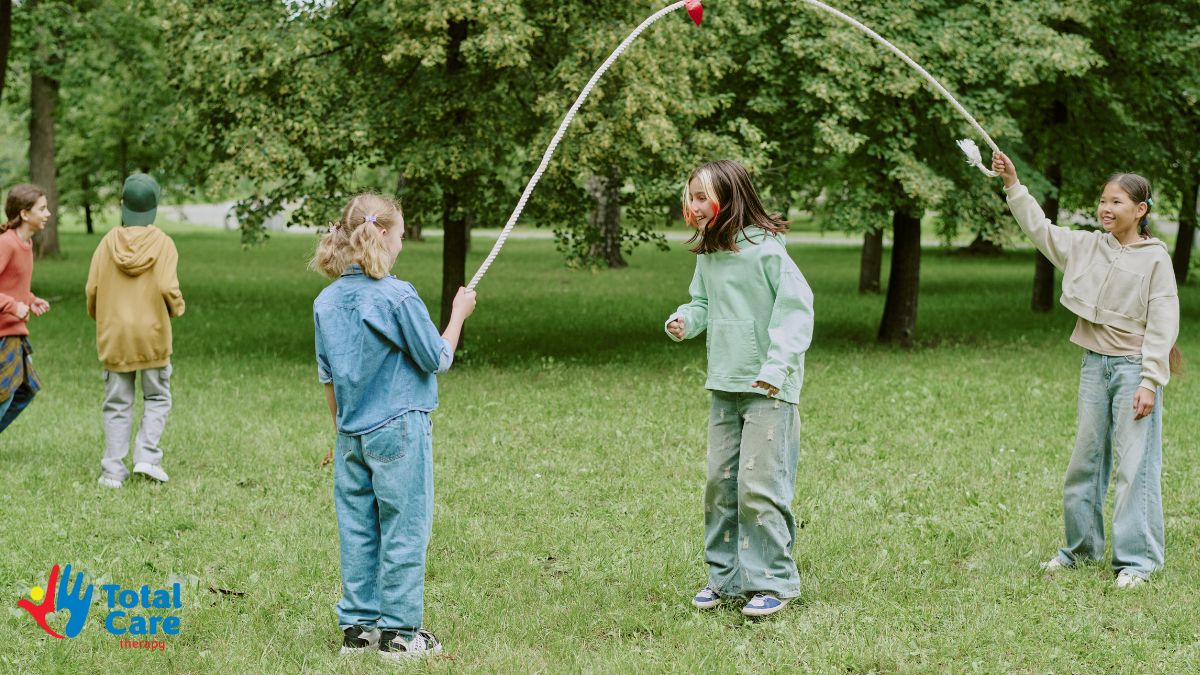
Therapy and education are important, but skills grow stronger when used in everyday settings and tied to clear self-management skills your child practices regularly. Community participation links closely to better quality of life for autistic adults, yet many still engage in fewer community activities than their nonautistic peers.
Working toward community inclusion inside support plans helps close that gap. You can ask therapists, school teams, or support coordinators to connect goals directly to specific locations. For example:
- “Order food at the same café once per week, with gradually less prompting.”
- “Join a group game at the park and stay for one full round.”
- “Attend one community club meeting per month and try one short interaction.”
Many families in the United States use Medicaid home- and community-based services (HCBS) to support everyday life in homes and neighborhoods rather than in institutions. In 2021, about 86.2% of people receiving Medicaid long-term services and support received HCBS, and these services accounted for 63.2% of Medicaid long-term care spending.
You can build on that by inviting support workers, behavior technicians, or therapists to join some outings, at least at first. When they practice skills in real settings, it becomes easier for your child to use those skills later when the team is not present.
5. Turn Inclusion into Routine and Gentle Advocacy
Research on inclusive leisure activities shows that organized social programs can support a sense of belonging, autonomy, and wellbeing for disabled young people, including those with developmental differences. Regular participation makes it easier to build friendships, learn social rules in context, and try new roles over time.
You can keep things steady by:
- Choosing one or two core activities, such as a weekly library program or Saturday sports session
- Tracking small wins like staying longer than last time, trying a new role, or talking to one more person
- Adjusting support slowly instead of changing everything when a visit goes badly
As your family gains experience, you might feel ready to ask programs for small changes that help many autistic participants, not just your child. Requests could include:
- Sensory-friendly hours or reduced-capacity sessions
- Staff training on autism and sensory needs
- Clear visual signs for directions, schedules, and rules
Studies on accessible museum and gallery design show that co-designing changes with autistic people can significantly improve usability and sense of inclusion for visitors. When families ask for these kinds of adjustments, they help shift community culture toward deeper inclusion.

FAQs About Community Inclusion Autism
What are examples of community participation for autistic adults?
Examples of community participation for autistic adults include education classes, volunteer work, recreation leagues, peer groups, and interest-based clubs. Structured activities like choirs or gaming groups, as well as informal meetups at cafés or parks, all count when they offer safe, meaningful interaction and contribution.
How early should families start working on community inclusion?
Families should start working on community inclusion in early childhood through short, supported visits to familiar places. Early exposure to sights, sounds, and routines builds comfort and confidence. Over time, these outings can expand into structured activities like classes or clubs, progressing at a manageable pace.
What if my child has very high support needs and group settings feel too hard?
Children with high support needs can still build community inclusion through quiet, one-on-one activities like park visits, neighborhood walks, or short meetups with trusted adults. Families can ask programs about extra support, smaller groups, or flexible options to join events in manageable ways.
Take the Next Step Toward Everyday Inclusion
Community inclusion grows through many small choices rather than one big leap. When families set clear goals, choose welcoming activities, prepare thoughtfully, use support in real-world settings, and build steady routines, autistic children and adults gain more chances to be seen, heard, and included.
It helps to find autism therapy services across our service areas in Colorado, New Mexico, Tennessee, Indiana, Georgia, Arizona, North Carolina, Maine, and Utah that can be shaped around real community goals, from first outings to more complex activities over time. At Total Care ABA, we focus on helping families move from surviving outings to building community experiences that feel calmer and more hopeful.
If you are ready to build more community inclusion into your routine, reach out to us today so we can talk about your goals and explore options that fit your child and your local area.


