
At-Home ABA Therapy for Single Parents on Tight Schedules
At-home ABA therapy for single parents turns routines into skill-building moments and removes travel stress. Use strategies that fit real schedules daily today.

At-Home ABA Therapy for Single Parents on Tight Schedules
Key Points:
- At-home ABA therapy for single parents can work effectively by focusing on realistic routines, flexible scheduling, and strong parent coaching.
- Even a few hours per week can support skill-building when embedded in daily life.
- Simplified plans, visual tools, and micro-sessions reduce burnout and make progress sustainable.
Single parents raising a child with autism often feel pulled in two directions at once: earn enough to keep the household running and give their child the steady support they deserve. In the United States, about 9.8 million families are headed by one parent, so this pressure is far from rare.
Autism adds more layers. Recent CDC data estimate that about 1 in 31 children aged 8 years are identified with autism, which means many of those single-parent homes are juggling therapy, school, and behavior needs on their own.
When schedules feel packed, at-home ABA therapy for single parents can turn daily life into practice time instead of adding another huge item to the calendar. By the end of this article, you will see what realistic at-home ABA can look like, how to shape a schedule around work, and how to protect your own energy while still moving your child’s skills forward.
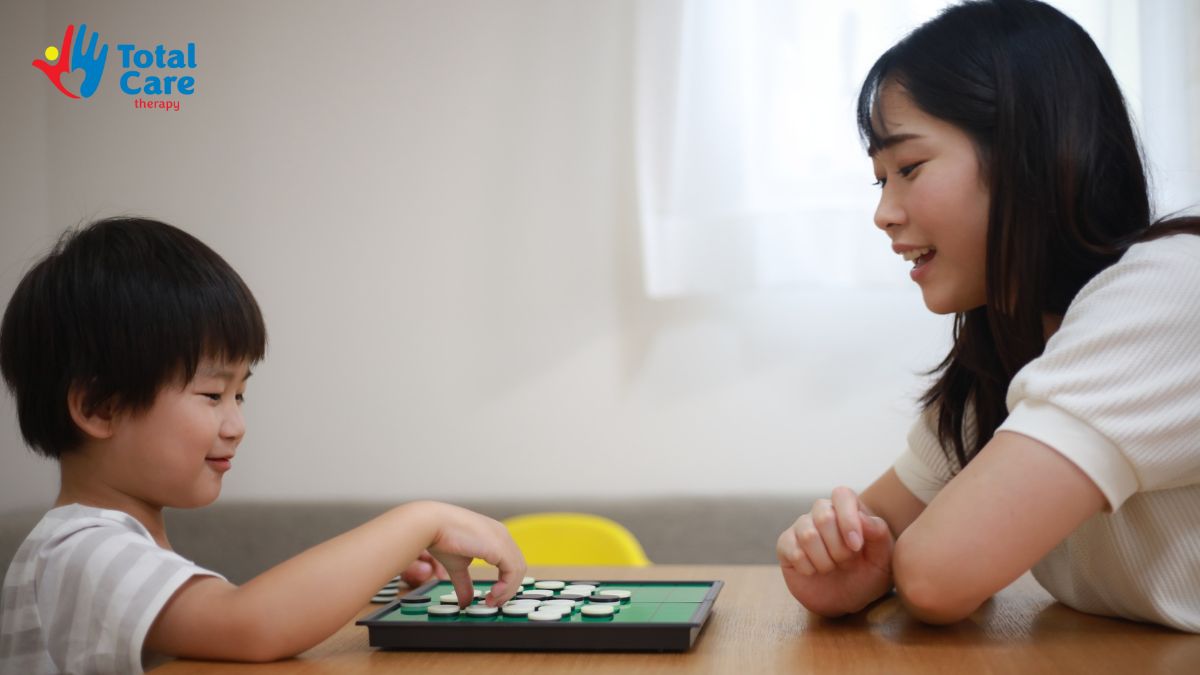
Why Single Parents Consider At-Home ABA Therapy
Single parents usually handle school communication, doctor visits, work shifts, and bills without another adult to share the load. That alone would stretch anyone thin. Research on caregivers of children with autism shows how heavy this role can feel; one study found 84% of parents reported feeling depressed or anxious.
ABA therapy focuses on building skills and reducing challenging behaviors in small, measurable steps. Health authorities describe ABA as a leading behavioral approach for autism, with strong evidence for helping children improve communication, learning, and daily living skills.
For single parents, having that support come into the home can remove commute time and let therapy happen where most behaviors actually show up.
At-home ABA can be especially helpful when:
- Transportation creates extra barriers: Long drives, siblings to pick up, and limited car access make center-based care hard to sustain.
- Shift work changes week to week: Rotating schedules or night shifts often clash with traditional clinic hours.
- Children struggle with new environments: Some kids show more behaviors in busy clinics and respond better in familiar home spaces.
Families led by one caregiver also face higher economic pressure. Analyses of single-mother households show they make up about 1 in 5 families with children under 18, and they tend to have fewer financial reserves than two-parent homes.
At-home ABA therapy for single parents can reduce indirect costs like fuel, lost work hours, and childcare for siblings. Conversations about ABA therapy cost often include those hidden expenses alongside formal treatment fees.
At-Home ABA Therapy for Single Parents: What Does It Look Like?
Home-based ABA does not need to look like a clinic transplanted into your living room. The focus stays on skills your child needs in real life, using the routines you already have. For many single parents, this style of ABA therapy for single moms and dads turns typical moments into learning opportunities instead of “extra tasks.”
A typical at-home session may include:
- Morning routines: Practicing brushing teeth, getting dressed, and following a simple visual schedule before school.
- Play and communication: Using favorite toys to teach requesting, turn-taking, or sharing in short, fun bursts.
- Behavior support: Working on staying calm during transitions, dealing with “no,” or reducing aggression during conflict.
Therapists may split time between direct work with your child and structured ABA parent training. That mix helps ABA support for single-parent households feel more doable when you handle meltdowns, set limits, and reinforce progress between sessions.
Over time, you can expect your team to:
- Start with a functional assessment: They learn what triggers behaviors and what your child finds rewarding.
- Set clear, realistic goals: Examples include following simple instructions, using basic words or gestures, or sitting at the table for a few minutes.
- Collect simple data: You might track how many times your child hits, how often they follow a direction, or how long they tolerate a task.
For autism routines for busy parents, the key is using what already happens each day.. Breakfast can become a communication session, bath time can support sensory regulation, and bedtime stories can build listening skills. At-home ABA therapy for single parents leans on those touchpoints, so you are not inventing entirely new rituals from scratch.
How Can ABA Fit Around a Single Parent’s Work Schedule?
Single parents often worry that ABA requires long blocks of daytime hours they simply do not have. In reality, flexible ABA schedules are becoming more common as providers adapt to modern work lives. You can ask specifically how the team handles at-home care when one caregiver works full-time or has irregular shifts.
Common schedule patterns for single parents include:
- Early morning sessions: Short blocks before school that focus on routines, transitions, and basic communication.
- After-school or early evening hours: Sessions that practice homework skills, mealtime behavior, or sibling interactions.
- Weekend intensives: Longer sessions on Saturday or Sunday when you have more bandwidth to join in.
Coordinating ABA sessions around work shifts might involve sharing your monthly schedule in advance, identifying days when a grandparent or trusted sitter can be present, and using telehealth check-ins when in-person visits are impossible.
Some parents ask the therapist to focus direct hours on the most challenging times of day, then use quick text or video feedback to adjust plans when emergencies come up.
Time-saving ABA tips for families and for single parents often include:
- Micro-sessions: Five- to ten-minute practice bursts built into meals, dressing, or bath time instead of long separate blocks.
- Visual supports that run on their own: Picture schedules, timers, and first-then boards that keep routines moving without constant verbal reminders.
- Batching parent training: Longer coaching meetings once or twice a month instead of frequent small meetings during work hours.
When you talk with providers, it helps to be direct about overtime, commute length, and childcare gaps. At-home ABA therapy for single parents works best when the plan starts from the actual hours you can give, rather than an ideal schedule that collapses after a few weeks.
Parent-Led ABA Strategies That Work at Home
Therapy hours alone rarely cover every challenge in a week, especially when you are the only adult in the home. Parent-led ABA strategies at home help you stretch each professional hour by reinforcing skills between sessions.
Research on early intervention shows that when parents are coached effectively, children can gain meaningful communication and social skills, and caregivers feel more capable in daily routines.
Parent training for solo caregivers usually focuses on a few core tools:
- Reinforcement: Catching and rewarding small steps in the right direction, such as sitting for one extra minute or using a new word.
- Prompting and fading: Showing or telling your child exactly what to do, then gradually pulling back support as they learn.
- Breaking tasks down: Turning big goals like “get ready for school” into small steps you can practice one by one.
You can ask your team to help you build simple, written “mini-plans” that show:
- The behavior you want to increase or decrease
- The trigger that usually comes before it
- The reward you will offer when your child uses the new skill
- The exact words or visuals you will use
ABA therapy teams can also help design autism routines for busy parents so they are realistic. For example, if mornings are always rushed, the plan might focus on just two skills between waking up and leaving the house. At-home ABA therapy for single parents works best when these plans respect your energy, your child’s tolerance, and the real time you have.

Protecting Single Parents From Burnout
Caring for a child with autism without another adult in the house can drain even the most resilient parent. Studies of caregivers of children with autism describe high levels of stress and burden, with one recent analysis linking more severe symptoms to higher caregiver strain and lower quality of life.
Helpful burnout checks for single parents include:
- Energy inventory: Noticing when you feel drained, irritable, or numb most days of the week.
- Sleep and health scan: Tracking headaches, stomach issues, or constant colds that suggest your system is under strain.
- Support audit: Looking at how often you receive help compared with how often you give it.
ABA therapy benefits families in many ways, and in single-parent households, it can include short breaks built into sessions. A therapist might lead activities while you drink a glass of water in another room, call a doctor, or plan the next day’s meals.
Some single parents ask the team to include “self-care routines” as goals, such as training a grandparent or sibling on a simple reward system so you are not always “on.”
You can also share honestly when a plan is too complex. Time-saving ABA strategies for single parents might mean simplifying data sheets, dropping nonessential goals for a season, or shifting focus to the behaviors that cause the most chaos at home.
At-home ABA therapy for single parents should adapt to your capacity, especially during high-stress periods like job changes or health issues.
What Should Single Parents Expect From an ABA Provider?
A good ABA provider understands that single parents come into therapy with limited time, limited backup, and a strong drive to help their child. You deserve a team that respects those realities. When you interview providers, consider asking questions such as:
- “How do you adjust programs for one-parent homes?” Look for answers that mention flexible hours, simple home programs, and problem-solving around work demands.
- “What does parent training look like here?” Ask whether sessions include coaching you in real time, not just handing you written instructions.
- “How do you measure progress?” Clear, realistic goals help you see changes even if your schedule limits therapy hours.
Some agencies also offer ABA therapy for single moms through group parent training, where you can share strategies with others in similar situations. Coordinating ABA sessions around work shifts may mean you lean more heavily on telehealth parent coaching, shared progress notes, or occasional evening meetings when you can attend.
At-home ABA therapy for single parents should feel collaborative. You bring deep knowledge of your child, even on days when behavior feels rough. The team brings their expertise in learning and behavior. Together, you can keep adjusting the plan so it works in a small apartment, a rural home, or a shared living situation.

Frequently Asked Questions
Can at-home ABA still work if I can only manage a few hours each week?
Yes, at-home ABA can still work with only a few hours each week. Progress may be slower, but focused goals and consistent parent involvement help build skills. Using ABA strategies during daily routines like meals and play increases impact, especially when formal therapy time is limited.
Is it okay to rely mostly on parent coaching instead of having a therapist in the home every day?
Yes, it is okay to rely mostly on parent coaching instead of daily in-home therapy. Structured coaching helps parents apply techniques during real-life situations, often leading to gains in social and language skills. Detailed modeling, written plans, and video feedback can maintain support between sessions.
How soon should I expect to see changes from at-home ABA therapy?
You may see small changes from at-home ABA therapy within a few weeks, such as fewer meltdowns or improved eye contact. Larger gains like communication and independence often take months. Consistent practice and tracking simple daily behaviors help measure progress even in busy routines.
Build Flexible ABA Support at Home
Single parents juggling autism care and work carry a heavy load, and home-based support can turn everyday routines into chances for growth instead of one more demand. By engaging in at-home ABA therapy services in New Mexico, Tennessee, Indiana, Georgia, Arizona, North Carolina, Maine, and Utah, families can receive structured help that fits real schedules and real homes.
At Total Care ABA, our teams design programs that respect your role as the primary caregiver while still bringing professional structure and accountability. If you are ready to explore a plan that fits one-parent life, you can reach out to discuss your schedule, your child’s needs, and your goals for the future.