
How to Approach Toilet Training Older Children with Autism
Toilet training older children with autism benefits from structure, visuals, and patience. Learn how families reduce accidents and build independence over time.

How to Approach Toilet Training Older Children with Autism
Key Points:
- Toilet training older children with autism requires a structured, respectful approach that considers health, sensory needs, and learning style.
- Using scheduled bathroom trips, visual supports, and positive reinforcement can foster progress.
- Patience, consistency, and individualized routines help build independence while addressing the emotional and physical challenges of delayed toileting.
Caring for an older child who still needs diapers or has frequent accidents can feel draining. You plan every trip around spare clothes. You worry about smell, teasing at school, and how long this season will last. Toilet training autism already takes extra effort, and when it stretches into later childhood, it can start to feel like your whole day revolves around the bathroom.
Toilet skills can still grow, even when the early years have passed. The goal is not a perfect week with zero accidents. The goal is a realistic plan that meets your child where they are and slowly moves them toward more comfort, dignity, and independence.
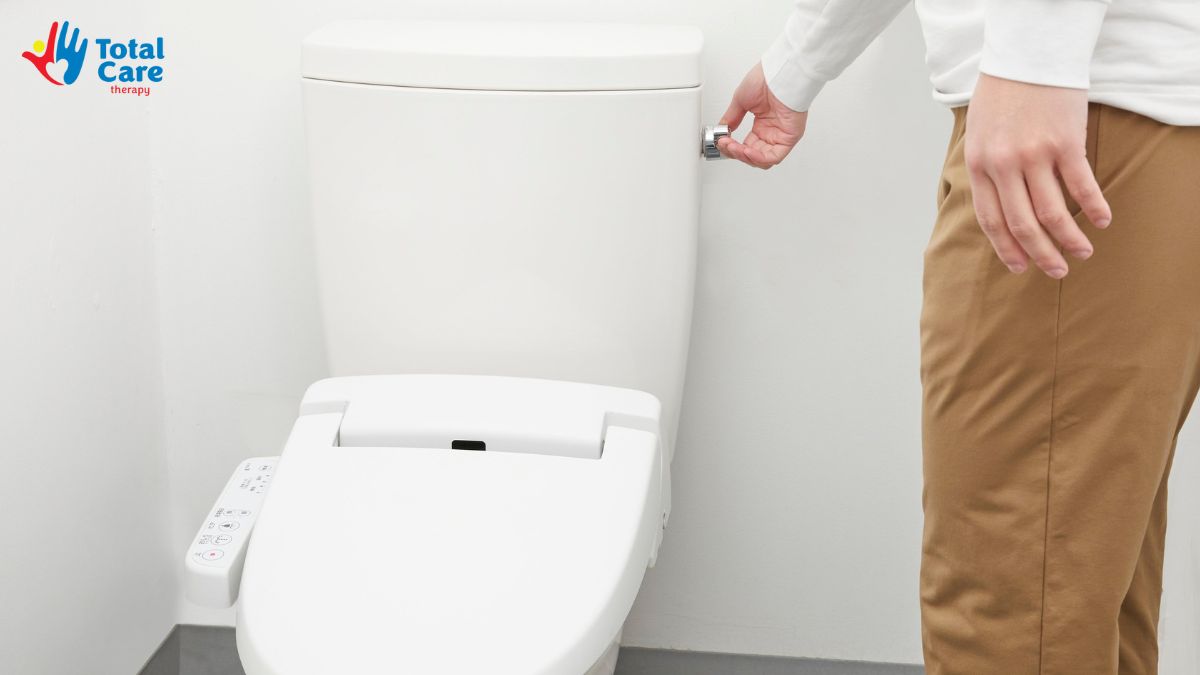
Step 1: Understand What Is Behind Delayed Potty Training
Delayed potty training in autism usually involves a mix of physical issues, sensory differences in autism, and learning needs.
Start with health. Constipation, urinary infections, and bladder or bowel dysfunction show up more often in autistic children than in other kids. Hard stool, painful straining, or urgent leaks can make any child avoid the toilet. A visit with a pediatrician or family doctor to review poop patterns, hydration, diet, and medications can prevent weeks of frustration.
Then look at body awareness and understanding. Some older kids:
- Seem surprised when they are wet or soiled
- Hide to pee or poop in a pull up
- Refuse the bathroom itself, or only refuse sitting
Questions like these show whether your next focus is:
- Helping them notice internal cues
- Reducing fear of the bathroom
- Changing how and when you prompt
A simple toileting diary ties these pieces together and feels more manageable when you treat it like one of your practical ABA tips for families rather than another chore. For three to seven days, write down when your child urinates, has bowel movements, drinks, and has accidents.
Continence guidelines for children with additional needs note that this kind of record helps families spot patterns and choose realistic first goals. Knowing whether mornings, evenings, or school times are hardest makes toilet training older children more targeted and less random.
Step 2: Create a Bathroom Routine Older Kids Can Accept
Once you understand what lies beneath the accidents, you can build a routine that feels respectful rather than babyish. Privacy and control matter a lot at this age, so small changes can make a big difference in how your child responds to bathroom training autism.
Start with the physical setup. Many autistic children struggle with bright lights, strong smells, and loud hand dryers or flushes, so the bathroom setup and visual tools in autism therapy may need small adjustments.
Autism toileting guides suggest adjustments such as:
- Use a seat insert and footstool so your child feels stable on the toilet
- Soften the lighting if possible, or let them wear a cap or hoodie to dim the glare
- Flush after your child leaves the stall, or agree on a countdown so they know when the noise will happen
Next, break the routine into clear steps. Visual supports still help older kids when used in an age-appropriate way. A simple checklist near the toilet might say:
- Go to the bathroom when your body feels full or when the schedule says it is time
- Close the door and manage clothes
- Sit on the toilet and try for a few minutes
- Wipe, flush, and wash hands
Walk through the steps when everyone is calm. Some families practice the sequence during a quiet time, with clothes on at first, so the child gets used to the pattern. It will also help to use the bathroom only for changing and toileting, not for punishment or long lectures.
If your child attends school or therapy, share the routine with them. Ask teachers, aides, and therapists to use the same language and visual supports where possible. A consistent routine across home, school, and community settings prevents delayed potty training from becoming three separate problems.
Step 3: Use Scheduled Sits, Rewards, and Data to Guide Progress
Many autistic children do better with predictable trips to the toilet instead of waiting for them to ask, especially when ABA toilet training programs use the same schedule across settings. Scheduled toilet training means bringing your child to the bathroom at planned times and using praise or small rewards for cooperation and successful voids.
For older kids, this might look like:
- Short sits every 60 to 90 minutes during the day, based on your diary
- Extra sits after meals or drinks, when the body naturally wants to go
- A gentle reminder and a clear, simple cue such as “Toilet time”
Rewards work best when they feel age-appropriate and are delivered right after the behavior you want to encourage. Some options include:
- A points chart that turns into extra screen time or a favorite activity
- A token they can trade in later for something meaningful
- Calm, specific praise in private instead of big cheers
Research on toileting interventions in autism shows that structured routines with scheduled sits, reinforcement, and gradual fading of prompts can improve continence for many children.
Keeping simple data helps you adjust the plan, just as basic ABA skill acquisition relies on small, measurable steps. You might track:
- How many pees or poops happen in the toilet
- How many accidents happen each day
- How often your child asks to go on their own
If progress stalls, your notes can show whether to change the schedule, move rewards closer in time, or revisit sensory issues. Sharing this information with your child’s doctor or therapy team also helps ensure professional support is more focused.
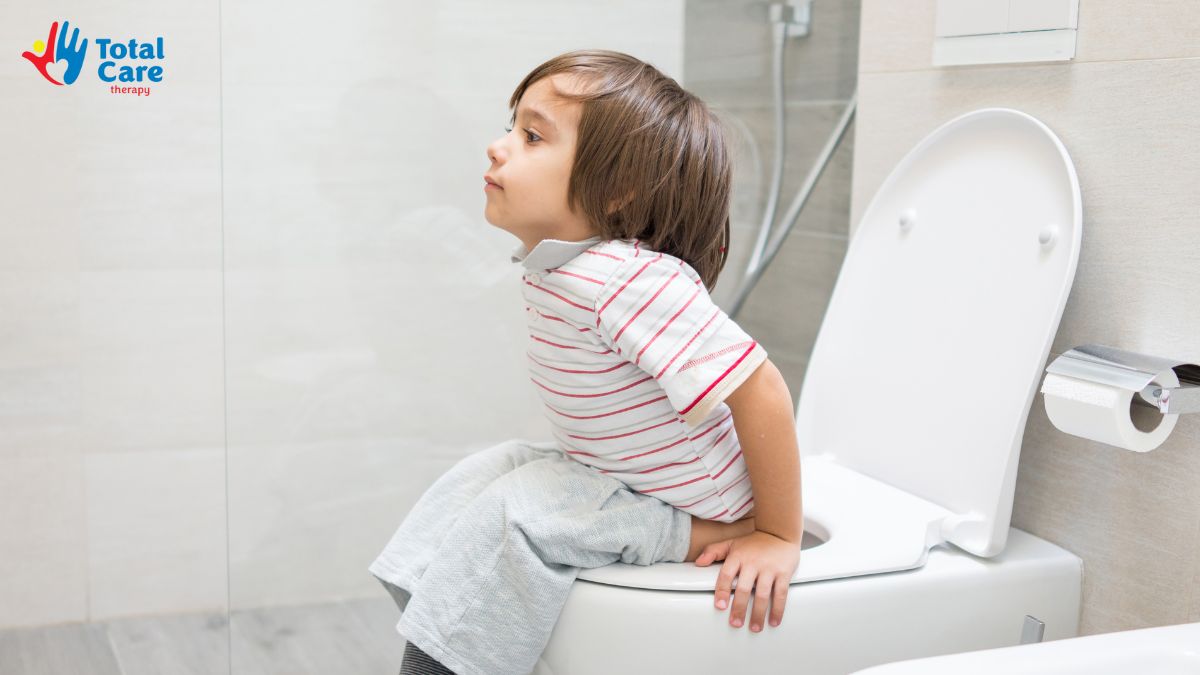
Step 4: Support Feelings, Privacy, and Long-Term Independence
As children grow, toileting becomes a social and emotional issue as much as a physical one. Older kids want privacy, choice, and a sense of normal life. They may also carry hard memories from earlier training, especially if they were shamed, rushed, or forced to sit when they were scared.
Gentle, honest communication helps. Let your child know:
- What will stay the same in the routine
- What will change, and why you think it will help
- How they can signal when they need a break or feel uncomfortable
Setbacks are common and do not erase progress. Illness, growth spurts, school changes, or stress at home can all lead to temporary regressions. A review of toileting in autism found that many children on the spectrum reach full daytime dryness later than their peers, yet still gain skills over time with patient, consistent support.
Professional help is worth seeking when toilet training older children has stalled for months despite careful effort, especially support from ABA therapy for self-care routines that already target dressing, bathing, and toileting.
Behavioral teams, occupational therapists, or continence clinics can add tools such as:
- Visual supports and social stories tailored to older kids
- Body awareness activities to help notice internal cues
- Stepwise desensitization to feared bathrooms or school settings
Some recent work has even shown success in teaching independent toileting skills to autistic teenagers and young adults using structured behavioral programs over several weeks.

FAQs About Toilet Training Older Children with Autism
At what age is it too late to start toilet training an autistic child?
There is no age that is too late to start toilet training an autistic child. Many autistic children gain continence later, and progress can continue into school years and beyond. The key is using a plan that fits the child’s health, learning style, and routine.
How long does toilet training usually take for older children with autism?
Toilet training for older children with autism can take weeks to several months, depending on factors like constipation, anxiety, and sensory needs. Some respond quickly to structured programs, while others need more time. Success improves when plans are individualized and supported consistently across home and school.
Should older children stay in diapers or pull ups during toilet training?
Older children should wear underwear during daytime toilet training to help them feel wetness and link it to toileting. Pull-ups or diapers can be used temporarily at night or on long outings. If accidents are frequent or medical issues exist, consult a pediatrician or continence specialist.
Get Support for Real-Life Toilet Training Challenges
Toilet training can feel like a never-ending project when accidents keep happening, especially in later childhood. Structured autism therapy services in Arizona, New Mexico, Tennessee, Indiana, Georgia, North Carolina, Maine, Colorado, and Utah can also weave toileting goals into broader behavior and life-skills programs.
At Total Care ABA, we understand how draining these daily struggles can feel, and we design support plans that break big goals like toileting into small, doable steps for families.
If you are ready to move out of survival mode and give your child more comfort and independence, we encourage you to get in touch with our team and see how we can work together on a toilet training plan that fits your child and your family.